
The Space Between Intention and Attention (Shavuot 5786)
Dear friends,
Many of us know the famous phrase “na’aseh venishma” — “We will do and we will hear” — often interpreted as “We will do and [then] we will understand.” It captures something true: that real understanding comes from experience, not abstract knowledge alone.
We associate that phrase with the dramatic moment when the Jewish people accept the Torah at Mount Sinai, amidst lightning and thunder — the moment that we commemorate this weekend with the holiday of Shavuot.
But here’s the thing: that’s not actually where it appears. “Na’aseh venishma” doesn’t come in parashat Yitro, when we get the Ten Commandments. It comes later in parashat Mishpatim, after the Israelites have heard a much longer, denser, more demanding reading of laws. And I don’t think it’s surprising that common usage has conflated the two.
During the big lead-up to the Ten Commandments, the Israelites say something similar — "all that the Lord has spoken we will do" — but notably, they stop there. We will do. Not: we will hear (or understand). There is action, and perhaps intention. But there is not the sustained attention that leads to the deep understanding that correlates to integration into our lives.
That distinction — between intention and attention — has been on my mind. Intention is declaring what matters and then, often, moving on. Attention is actually giving ourselves to the work it takes to bring that intention to life. Intention can be easy, attention almost never is. And attention is where we begin to create meaningful change for ourselves and others
In his commencement speech to NYU’s class of 2026, Prof. Jonathan Haidt urged graduates to guard their attention fiercely. “Treasure your attention more than the people who want to take it from you,” he advised. “Never forget what it’s worth.” His argument: once you reclaim your attention, you can direct it toward what actually matters — which, in his telling, means doing hard things. Things that resist the quick fix, that have lasting rewards, that alter the way our worlds work.
At Leading Edge, we see a version of this in our work, as well. Years of data on the Jewish nonprofit workforce point to something consistent: what drives people at work isn't ease. It's meaningful progress on work that matters. It’s working in concert with those around us to accomplish something larger than ourselves. Doing those things is hard. Hard for leaders and employees both.
We're often tempted to think the opposite. We might think what will make us happy is less friction, fewer demands, easier paths. But that's not what the data shows. And it's not what Jewish tradition teaches either. We see in organizations that improving culture is hard. And it’s so meaningful to all involved when it happens.
Ten Commandments would have been simpler. Cleaner. Easier. But Jewish life does not stop there. Instead, our tradition gives us 613 ways to practice attention — woven into meals and calendars, work and rest, ordinary moments and extraordinary ones. Thankfully, there are far fewer things to think about in making our Jewish nonprofit organizations perform closer to the best versions of themselves. And doing so still requires a great deal of attention to make happen.
It’s customary to end a shiur (Torah class) with a quote from the Mishna in Makkot: “Rabbi Ḥananya ben Akashya says: God wanted to confer merit upon the Jewish people; therefore, God increased for them Torah and commandments…” The plain reading of this is transactional — more commandments, more “merit points” in heaven.
But I think there's another way to read it: our tradition hints at how we might lead lives of genuine merit. Lives in which we spend our time and attention on things our communities and consciences recognize are worthy. Because our lives ultimately become what we pay attention to. The same is true for our organizations.
May the Shavuot holiday give you a chance for deep reflection and sustained attention. And may your work in the weeks beyond bring your attention closer to your intentions — not despite being hard, but because of it.
Ḥag sameaḥ,
Gali
About the Author

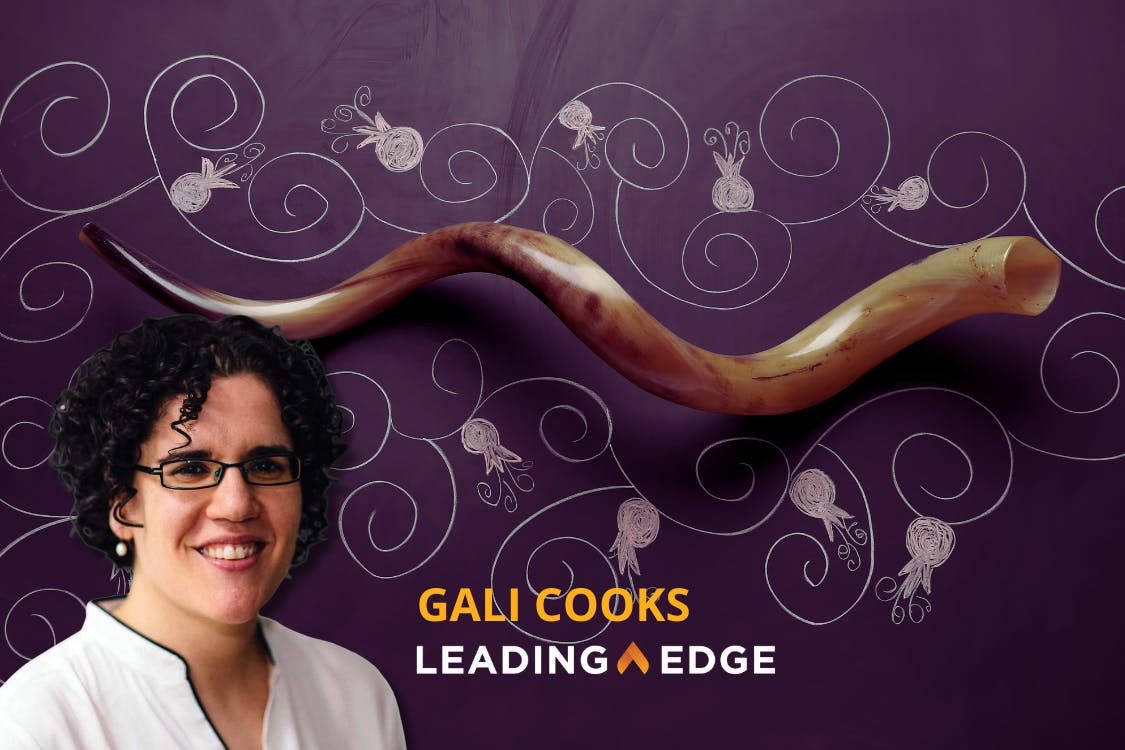
Gali Cooks is the President & CEO of Leading Edge.

Loading footer...